

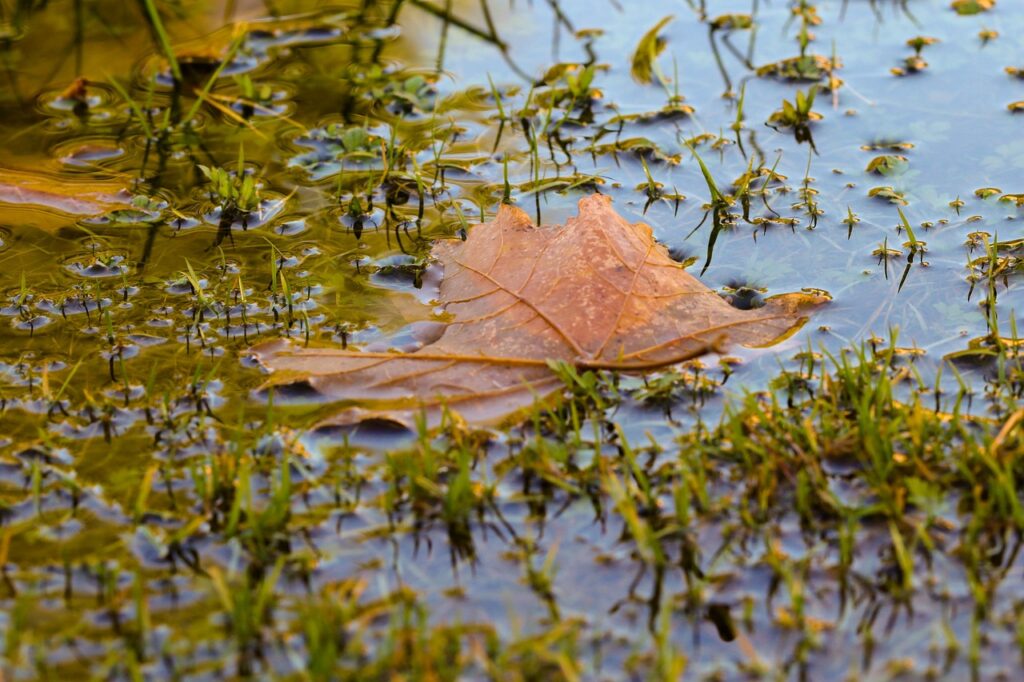
In the Carolina Piedmont, there’s a common saying: If you want to know the truth about your land, look at it in March. Late winter and early spring bring a perfect storm of conditions — steady rain, fluctuating temperatures, and soil that’s already holding more moisture than it can comfortably manage. For many homeowners, March becomes the unofficial month of mud.
But muddy lawns and lingering water aren’t just messy seasonal inconveniences. They’re often your landscape’s way of revealing grading and drainage issues that have been quietly developing beneath the surface. For homeowners thinking about grading and excavation in Apex, Holly Springs, and surrounding areas, this season offers something valuable: clarity. In fact, this is one of the most revealing times of year to evaluate how your property truly handles water — before spring growth and summer foliage hides its flaws.
Why March Gets So Messy
By the time March rolls around, your yard has already been under months of stress. Winter typically brings repeated rain events, long stretches of dampness, and limited drying conditions. Even when temperatures stay relatively mild, the ground rarely gets the chance to fully dry out the way it does in warmer seasons.
Then early spring arrives. Rain becomes more frequent. Temperatures fluctuate. Even mild freeze–thaw cycles loosen soil structure. Dormant grass hasn’t yet resumed active growth. Evaporation remains slower than it will be later in the season.
The Result?
The soil reaches a point where it simply can’t absorb or release moisture fast enough. Water lingers near the surface. Foot traffic churns the ground. Lawns soften. Bare spots turn slick. Areas that seemed stable in fall suddenly feel spongy and unstable.
March isn’t just wet — it’s the overlap of:
- Saturated winter ground
- Increasing rainfall
- Limited evaporation
- Weak or dormant turf
- Loosening soil conditions
All working together.
That’s why muddy lawns are so common this time of year, even in yards that rarely have issues during summer. For properties with dense clay soil, these conditions can be even more noticeable. Clay drains more slowly once saturated, meaning the ground stays soft longer. But regardless of soil type, March tends to expose how well — or how poorly — a yard manages excess moisture.
Mud Is Usually a Symptom, Not the Problem
It’s easy to blame the weather. After all, it has been raining. And yes, spring in North Carolina can be wet. But when certain areas of your yard stay muddy long after the rain stops, something else is usually going on.
Persistent mud frequently points to:
- Improper grading
- Low spots or depressions
- Compacted soil
- Poor runoff direction
- Hidden drainage limitations
The issue usually isn’t “too much rain.” It’s how your property handles that rain.
What Proper Grading Actually Does
Grading isn’t just about making a yard level. It’s about controlling water.
When a yard is correctly graded, the subtle slopes and contours guide water:
- Away from the home
- Out of high-traffic areas
- Toward appropriate drainage paths
- Away from foundations and crawl spaces
Without those intentional slopes, water follows gravity — collecting in low areas and lingering where it shouldn’t.
That’s when you begin to notice:
- Puddles that never fully dry
- Constantly muddy patches
- Erosion after storms
- Water drifting toward the house
Why Excavation Sometimes Becomes Necessary
Some issues go beyond minor surface adjustments. If parts of the yard have settled, if soil has become heavily compacted, or if water flow patterns are fundamentally flawed, grading alone may not be enough. This is where excavation becomes an important part of the solution.
Excavation allows for:
- Reshaping low or sunken areas
- Rebuilding proper slopes
- Removing unstable soil
- Creating swales or drainage channels
- Correcting problem zones at the source
Especially in clay-heavy soils, combining grading and excavation often leads to more stable, longer-lasting improvements.
Clues Your Yard Might Be Struggling
Spring acts like a natural stress test for your landscape.
Keep an eye out for:
- Areas that stay muddy for days
- Standing water after moderate rain
- Spongy or soft turf
- Mulch washing away
- Soil erosion
- Water near the foundation
- Grass that struggles year after year
- Patterns that repeat every spring
Why These Issues Rarely Fix Themselves
As tempting as it is to “wait and see,” drainage and grading problems tend to compound over time.
Repeated saturation can gradually lead to:
- Thinning or dying turf
- Root stress
- Increased erosion
- Shifting soil
- Foundation moisture exposure
Each season of excess water subtly reshapes the landscape — often making corrections more involved later.
Spring Is When Your Landscape Tells the Truth
There’s something honest about the spring thaw. Winter hides a lot. Summer evaporation disguises weaknesses. But early spring reveals exactly how water moves, where it collects, and which areas struggle to recover. Those muddy spots, puddles, and soft patches aren’t random. They’re information, and paying attention to them now — before the heat of summer or the heavy rains of late spring — can help homeowners make thoughtful decisions about their property rather than reactive repairs later.
A Yard That Drains Well Feels Different
Firm footing. Healthier turf. Fewer puddles. Less mess tracked indoors.
Good grading and proper soil correction don’t just change how your yard looks — they correct how your yard handles water. If you’re considering grading and excavation in Apex, Holly Springs, and surrounding areas, contact us for a consultation and let’s take a look at what’s happening on your property.